


News
12 October 2026 |News
RCC ESAP 3: WB6 public employment services turn benchmarks into practice through peer learning in Prizren
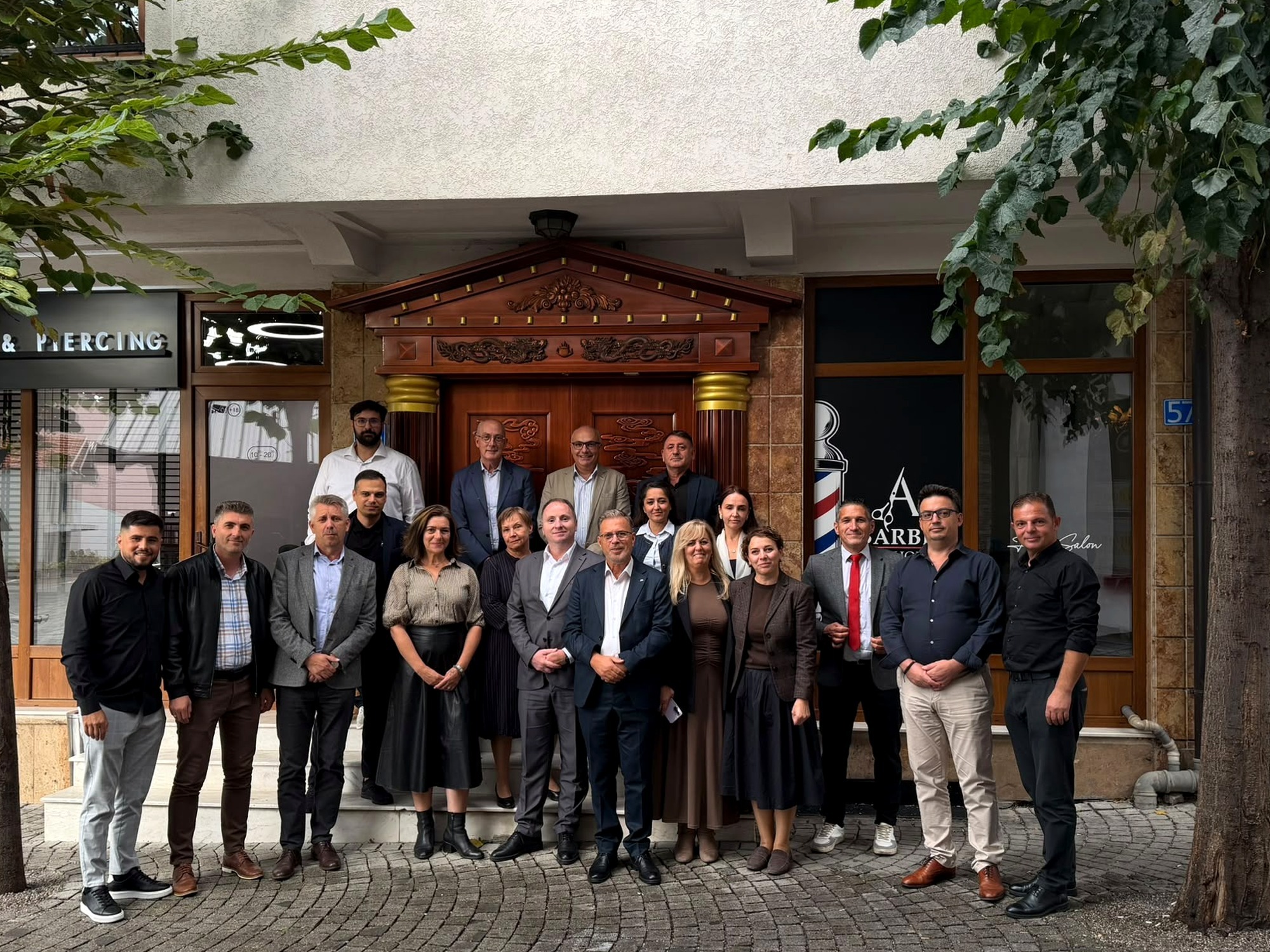
RCC ESAP 3: Participants of the 2nd 2026 PES Benchlearning Peer Review Workshop held in Prizren 8-9 October 2026 (Photo: RCC ESAP 3)
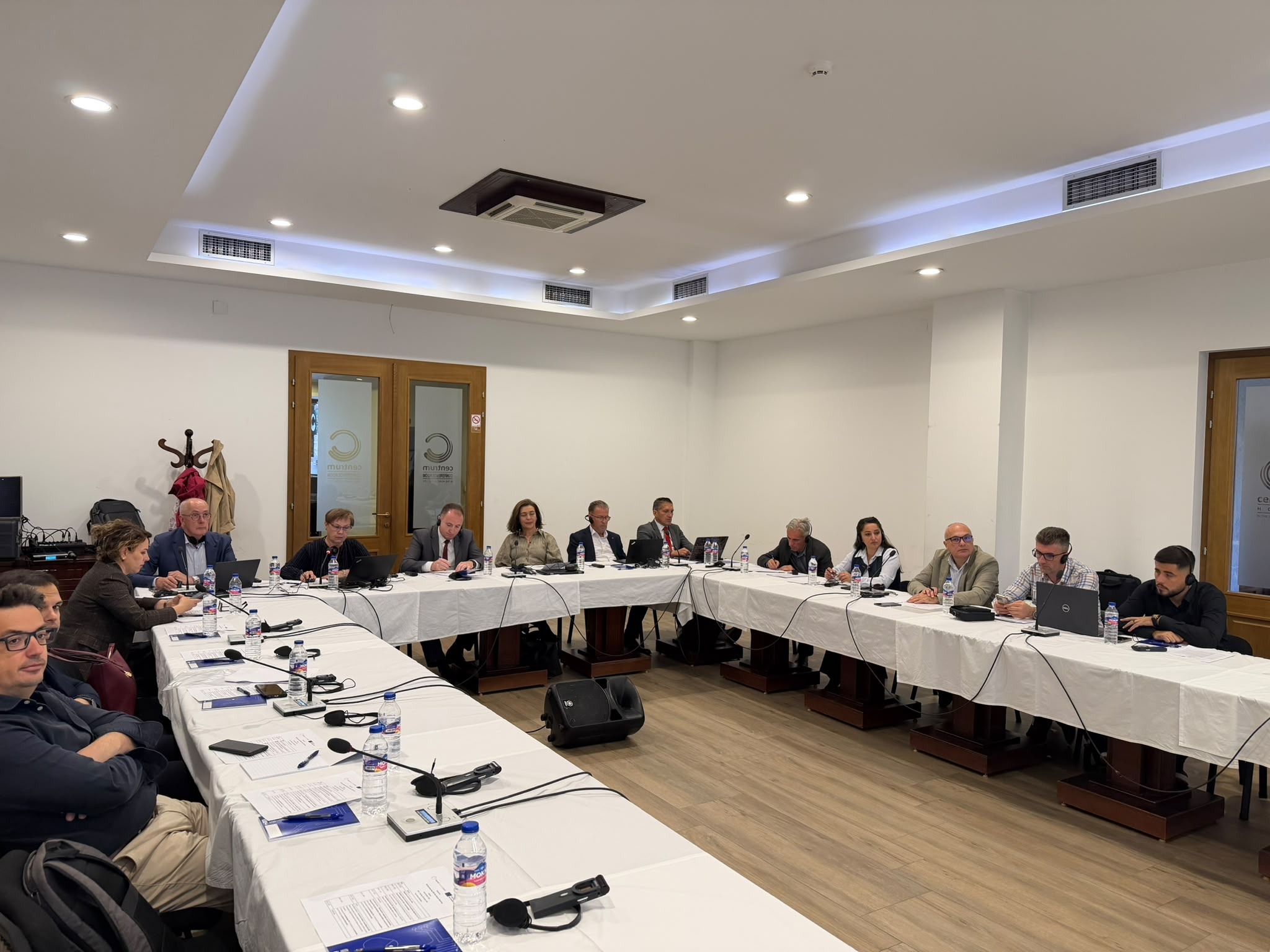
RCC ESAP 3: Working session during the 2nd Peer Review Workshop, Prizren, 8 October 2026 (Photo: RCC ESAP 3)

RCC ESAP 3: Field visit to Vocational Training Centre in Prizren, during 2nd Peer Review Workshop within 2026 PES Benchlearning cycle, 9 October 2026 (Photo: RCC ESAP 3)
Public Employment Services from Kosovo*, Albania and North Macedonia reviewed approaches to service delivery, inter-institutional cooperation and staff development, identifying good practices and opportunities for further improvement
Representatives of the Public Employment Services (PES) of Albania and North Macedonia, hosted by their peers from Kosovo*, European experts and local experts from the Western Balkans Six (WB6), gathered in Prizren for the second PES Benchlearning 2026 Peer Review Workshop, organised within the framework of the Regional Cooperation Council’s (RCC) Employment and Social Affairs Platform 3 (ESAP 3) project, on 8-9 October 2026.
The workshop marked a key stage in the 2026 PES Benchlearning cycle, building on the quantitative benchmarking and self-assessment phases. It provided a structured opportunity for participating PES to review their practices with peers, compare approaches to common labour market challenges, identify transferable good practices and consider areas for further improvement. With the Prizren workshop, the peer review stage of the 2026 cycle has now covered all WB6 PES.
Opening the workshop, Ratka Babic, Team Leader of RCC ESAP 3, welcomed the participants and outlined the objectives of the two-day programme. Blerim Hasani, Director of the host PES, welcomed the delegations to Prizren and highlighted the value of learning from counterparts facing similar labour market challenges. The EU experts subsequently presented the PES Benchlearning methodology and the purpose of the peer review process, followed by an overview of the host PES’s organisational structure, ongoing reforms, strategic priorities and key challenges.
The first day featured three interactive peer review sessions, each addressing an important dimension of PES performance. The first focused on the PES ecosystem, exploring cooperation and coordination between employment services, local authorities, training providers, social services and other relevant partners. The second examined local service delivery, including counselling and active labour market policy measures tailored to different groups of jobseekers, digital and blended services, and services for employers. The third addressed empowering PES staff, with a focus on strengthening staff capacities, promoting evidence-based service improvement, and making effective use of digital tools and artificial intelligence (AI).
In each session, the participating PES presented their approaches, followed by questions and structured discussions with their peers. This format enabled participants to examine the practical application of different approaches, discuss common challenges and consider which solutions could be adapted to their respective institutional contexts.
On the second day, the workshop moved from discussion to practical observation, beginning with a field visit to the PES Local Office in Prizren. Participants learned about the office’s operational arrangements and service delivery model, including the registration and counselling of jobseekers, services for employers, and the use of digital tools and case management systems. Discussions with local management and staff provided an opportunity to explore how these services operate in practice and to exchange experiences on frontline service delivery.
The delegation subsequently visited the Vocational Training Centre in Prizren, where the Director presented the Centre’s work and its role in providing vocational training to support skills development and improve jobseekers’ employability. Participants also observed ongoing practical training in information and communication technology (ICT) and administrative work, sewing, cooking, hairdressing, and make-up. The visit offered a valuable insight into how vocational training is delivered in practice and how skills development can support pathways into employment.
Following the visits, participants reflected on their observations and identified good practices with potential for wider application. The workshop concluded with preliminary conclusions and recommendations based on the joint discussions, alongside consideration of the next steps in the 2026 PES Benchlearning cycle. Key transferable practices and potential areas for improvement were identified for each participating PES, providing a basis for further learning and strengthening the delivery and effectiveness of employment services.
Through ESAP 3, the RCC remains committed to supporting WB6 PES in strengthening their organisational capacity, effectiveness and performance. By facilitating structured peer review, mutual learning and evidence-based improvement, the project helps employment services learn from one another, adapt relevant good practices and advance the alignment of employment policies and services with EU approaches and standards.