


News
09 October 2026 |News
RCC ESAP 3: Peer learning strengthens cooperation between Serbian and Lithuanian Public Employment Services
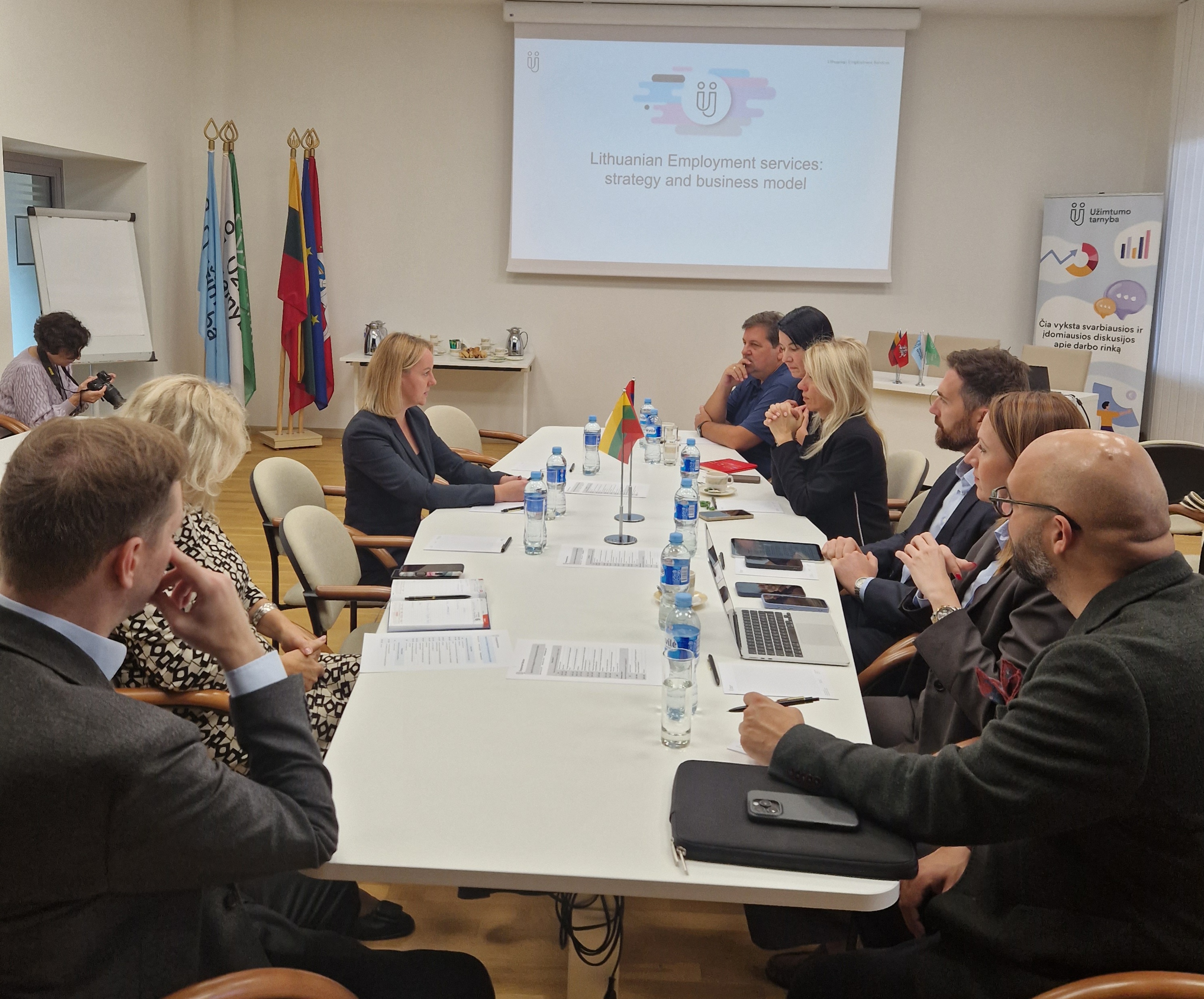
RCC ESAP 3: Study visit of the Public Employment Service (PES) of Serbia to the PES of Lithuania, 6-8 October, Vilnius (Photo: PES Lithuania)
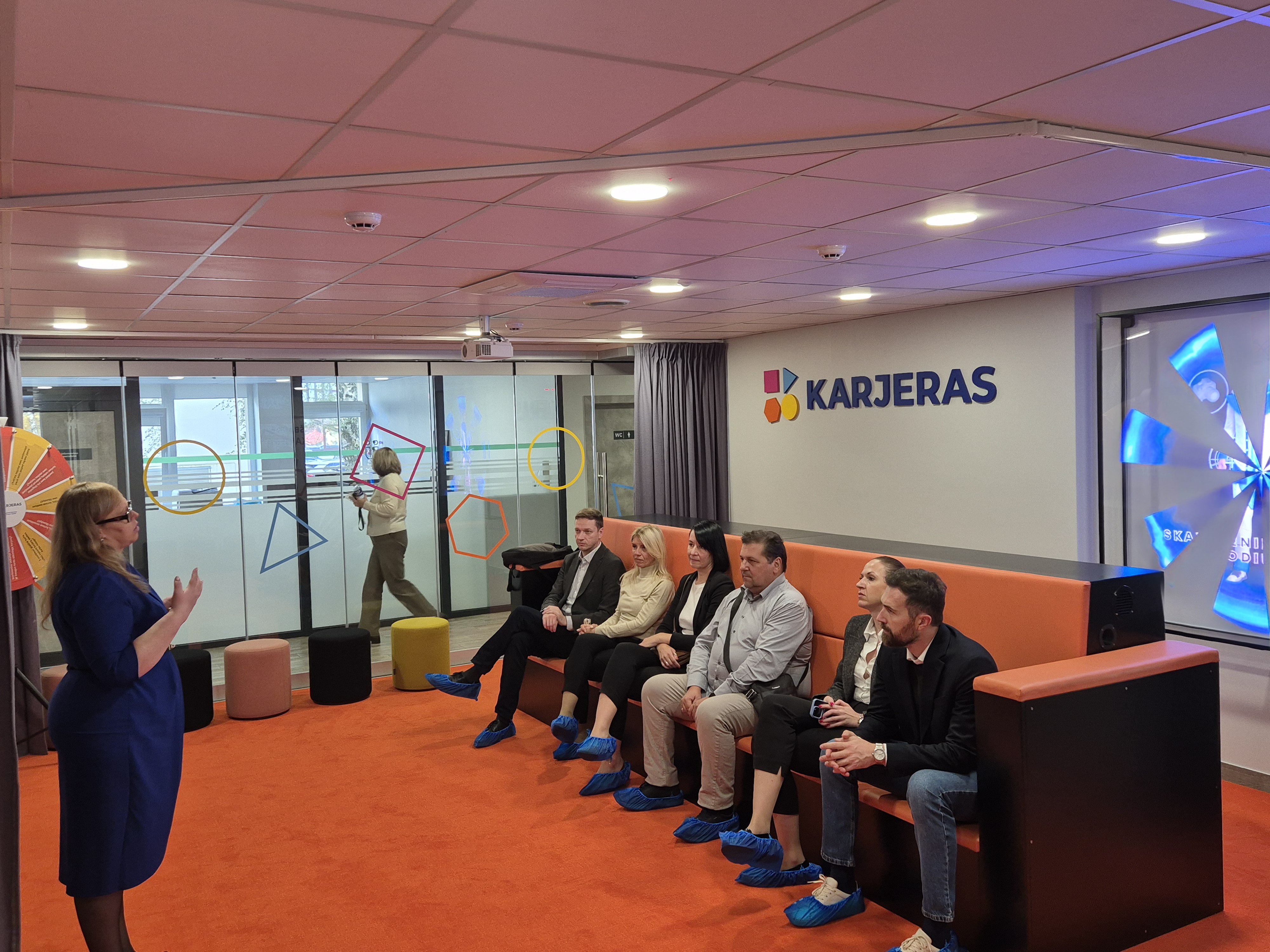
RCC ESAP 3: Study visit of the Public Employment Service (PES) of Serbia to the PES of Lithuania, 6-8 October, Vilnius (Photo: RCC ESAP 3)
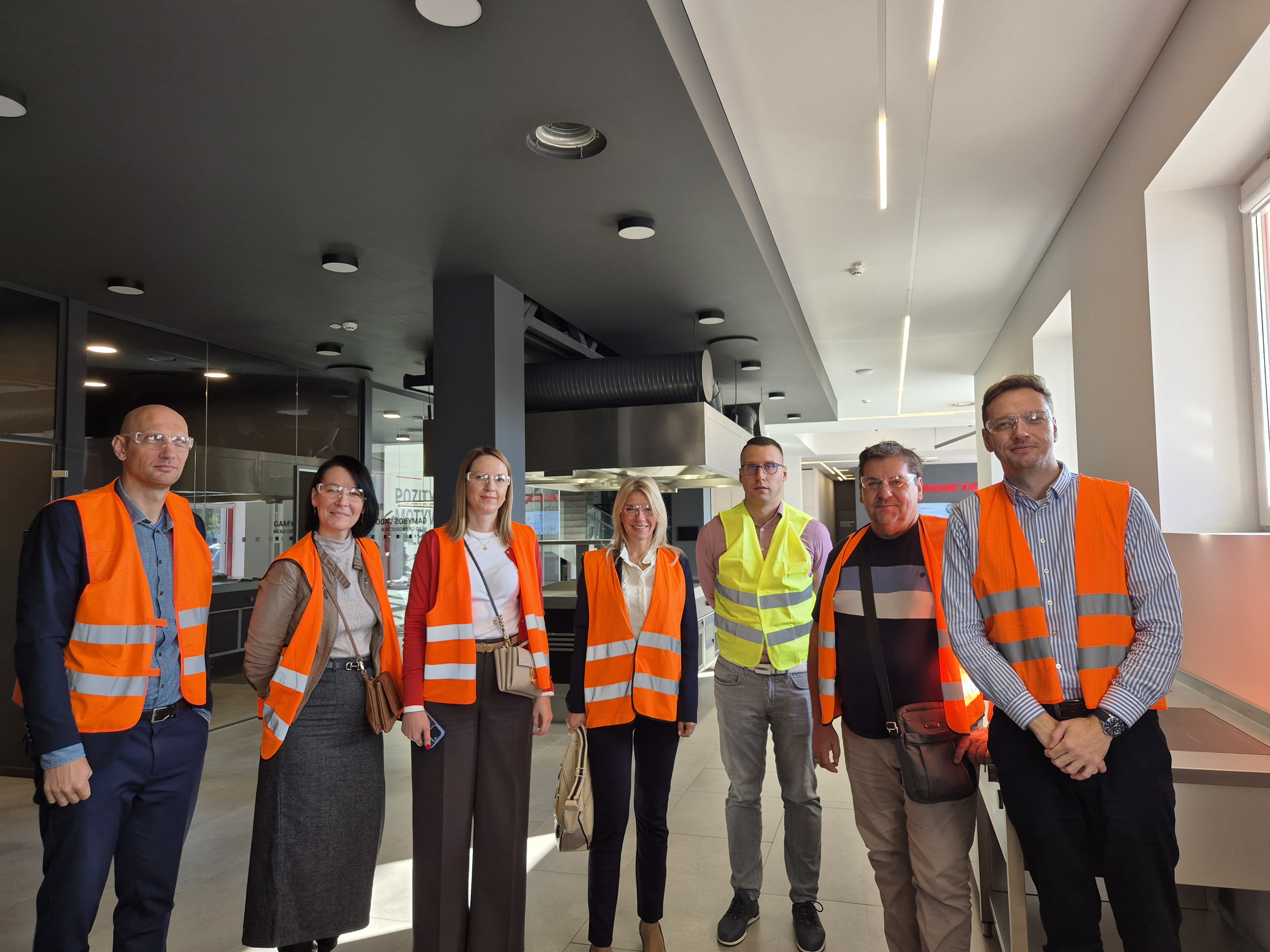
RCC ESAP 3: Study visit of the Public Employment Service (PES) of Serbia to the PES of Lithuania, 6-8 October, Vilnius (Photo: RCC ESAP 3)
Public Employment Service delegation from Serbia visited Lithuanian counterparts in a high-level study visit dedicated to firsthand experience in organization, policies and programmes
The Regional Cooperation Council’s (RCC) Employment and Social Affairs Platform 3 (ESAP 3) project organised a three-day study visit to Vilnius and Kaunas, Lithuania, for a high-level delegation from the Public Employment Service (PES) of Serbia on 6–8 October 2026.
The study visit enabled the Serbian PES to exchange experiences with Lithuanian counterparts on AI and advanced technologies, European Skills, Competences, Qualifications and Occupations (ESCO) implementation, employer engagement, career guidance, support for vulnerable groups and innovative employment services. It provided an opportunity for peer exchange and practical learning on the organisation and delivery of employment services, digital transformation, cooperation with employers, and innovative approaches to supporting jobseekers. It aimed to strengthen cooperation between the two PES and support the alignment of employment policies and practices with EU approaches and standards.
During the opening session, Ms Inga Balnanosienė, Director of the PES of Lithuania, welcomed the participants and outlined the objectives and key activities of the study visit. She presented the strategy and business model of the Lithuanian PES, including its main functions and services.
Mr Milan Bosnic, Director of the PES of Serbia, thanked the hosts and expressed his appreciation for the opportunity to learn directly from the Lithuanian experience. He highlighted the value of exchanging knowledge with counterparts and exploring approaches that could be adapted to the Serbian context.
The first day focused on the use of artificial intelligence (AI) and advanced technologies, the implementation of the European Skills, ESCO classification, and approaches to working with talented and highly skilled professionals. Other topics included engagement with the diaspora and cooperation with employers. The sessions combined presentations and discussions, allowing participants to exchange experiences, learn about practical solutions and consider how elements of the Lithuanian model could be adapted to improve provision of services in Serbia.
On the second day, the guest delegation visited the Vilnius Client Service Department at the Regional Career Centre in Vilnius. The discussions and presentations covered services for young people and those not in employment, education or training (NEETs), preventive support for employed people, and assistance for vulnerable groups. Representatives of the host institution also presented the Regional Career Centre’s approach to career guidance and counselling, demonstrating innovative and interactive tools that help clients identify their skills, interests and career goals and plan their next steps.
The third day was focused on an on-site visit to the Lithuanian company Novameta, followed by a visit to the Kaunas Regional Client Service Department of the PES. The company visit offered the Serbian delegation a practical perspective on employers’ needs, recruitment processes and the workforce challenges faced by businesses. The final session at the Kaunas office addressed key challenges in the delivery of employment services, cooperation with employers, digitalisation and workforce development.
The visit demonstrated the value of peer learning in enabling PES to share practical experience, learn from approaches tested in another institutional setting and identify solutions that may be adapted to their own systems. Direct engagement with both employment service practitioners and a private-sector employer also provided a broader understanding of the challenges and opportunities involved in improving labour market services.
Through ESAP 3, the RCC remains committed to supporting Western Balkan Six (WB6) PES in strengthening their organisational capacity, effectiveness and performance, while promoting closer cooperation and alignment with EU employment policies and practices.
The study visit was organized thought ESAP 3’s Technical Assistance (TA) facility responding to priority demands of the project’s stakeholders.