


News
19 June 2026 |News
RCC ESAP 3: Western Balkans Six and EU Experts Join Forces to Tackle Undeclared Work in the Construction Sector
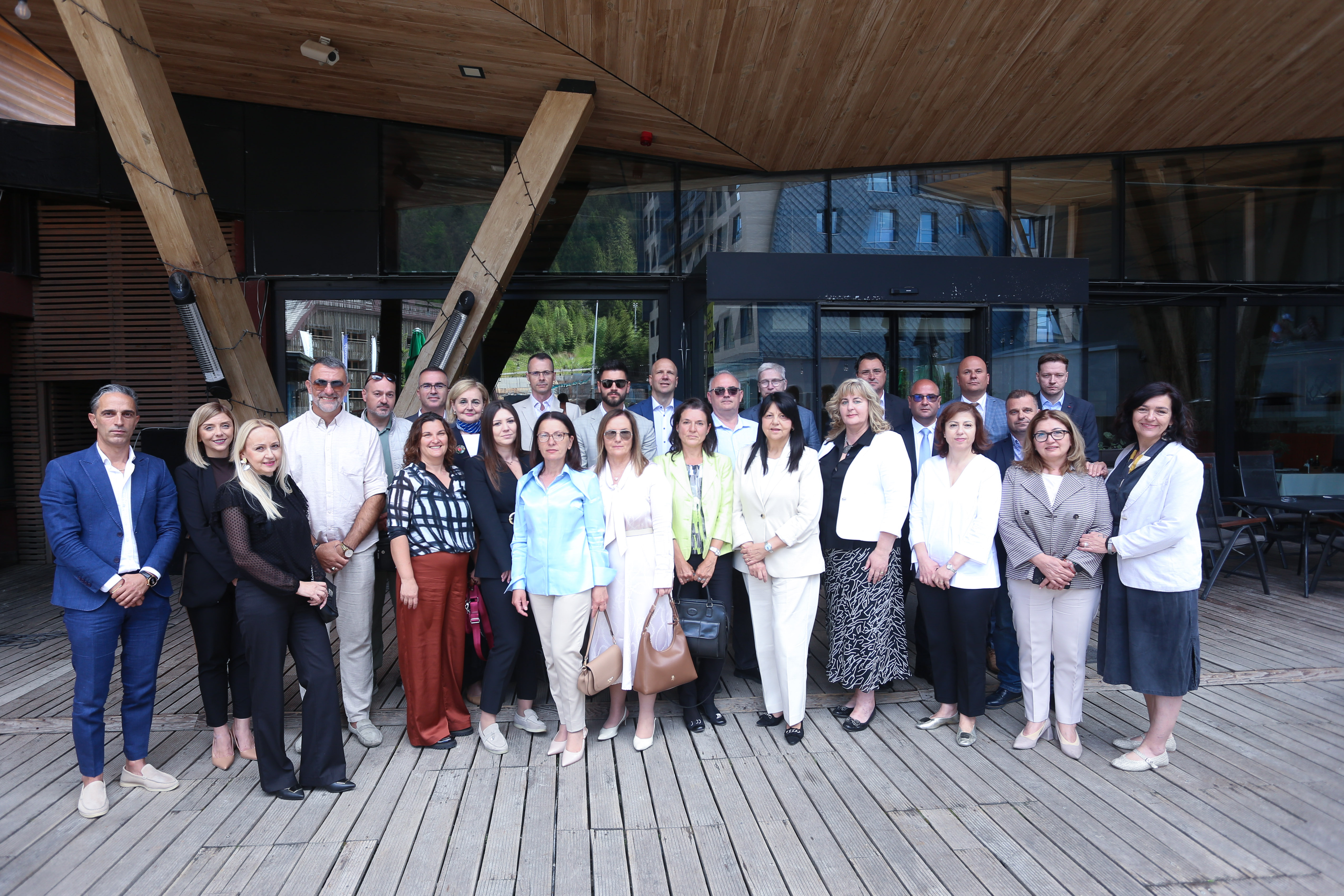
Third Plenary Meeting of the Western Balkans Network for Tackling Undeclared Work and Mutual Assistance Projects, Jahorina, Bosnia and Herzegovina, 17-18 June 2026 (Photo: RCC ESAP 3)
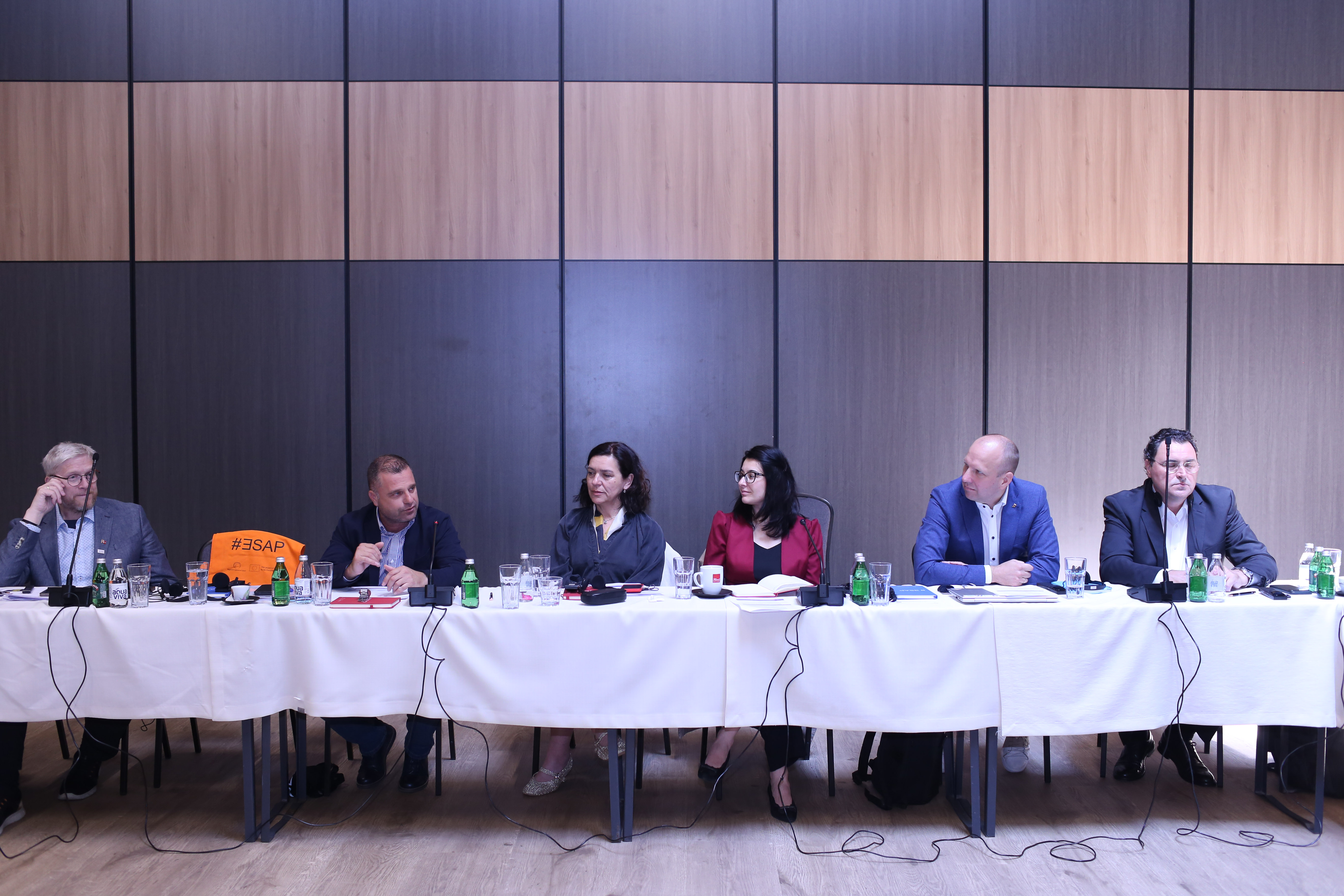
Third Plenary Meeting of the Western Balkans Network for Tackling Undeclared Work and Mutual Assistance Projects, Jahorina, Bosnia and Herzegovina, 17-18 June 2026 (Photo: RCC ESAP 3)
Enforcement authorities from the Western Balkans Six exchange experiences and good practices during the Third Plenary Meeting of the Western Balkans Network for Tackling Undeclared Work and Mutual Assistance Projects
Sarajevo - Representatives of enforcement authorities from the Western Balkans Six (WB6), together with European Union (EU) peers, gathered on Jahorina Mountain, Bosnia and Herzegovina, on 17–18 June 2026 for the Third Plenary Meeting of the Western Balkans Network for Tackling Undeclared Work and Mutual Assistance Projects (MAPs), organised by the Employment and Social Affairs Platform 3 (ESAP 3) project of the Regional Cooperation Council (RCC).
The two-day event focused on one of the most persistent labour market challenges across the region - undeclared work in the construction sector. Construction continues to be among the sectors with the highest incidence of undeclared work throughout the WB6, characterised by complex subcontracting chains, seasonal labour demand, cross-border mobility of workers, occupational safety and health risks, and difficulties in monitoring compliance with labour regulations.
Opening the event, Ratka Babic, Team Leader of RCC ESAP 3, welcomed participants and highlighted the importance of regional cooperation in addressing undeclared work.
“The construction sector remains one of the most vulnerable sectors to undeclared work across the region, as identified by the members of the Western Balkans Network for Tackling Undeclared Work. While each economy faces specific challenges, many of the underlying issues are shared, from unregistered employment and under-declared work to labour shortages and increasing reliance on foreign workers”, said Babic.
To this end, regional cooperation and learning from successful European practices are so important. Through the Western Balkans Network, the region is creating a platform where institutions can exchange experiences, identify practical solutions and strengthen their capacities to move workers and businesses from informality into formal employment.
The first day of the event was dedicated to the Third Plenary Meeting of the Western Balkans Network for Tackling Undeclared Work. Participants reviewed progress in implementing the Network’s Three-Year Work Programme and discussed future priorities. Ioana Alexandra Horodnic, ESAP 3 Senior Expert for Tackling Undeclared Work, presented the key achievements of the Network and outlined upcoming activities aimed at supporting the transition from undeclared to declared work across the region.
The discussions focused on challenges related to undeclared work in construction and examined measures that have proven effective in EU Member States. Participants were introduced to number of good practices and recommendations from Cyprus, Lithuania, Norway and Romania, including joint inspections involving labour inspectorates and other enforcement authorities, risk-based targeting of inspections, enhanced cooperation and data exchange among institutions, preventive awareness-raising campaigns, and approaches aimed at encouraging voluntary compliance among employers.
These experiences demonstrated the importance of adopting a holistic approach to tackling undeclared work, combining enforcement measures with preventive actions, institutional cooperation and improved data collection. Participants also exchanged views on the growing challenges related to the employment of foreign workers, labour mobility, and occupational safety and health compliance in the construction sector.
The second day focused on two separate Mutual Assistance Projects dedicated to Montenegro and Serbia. The sessions reviewed progress achieved since the 2023 MAP follow-up visits and assessed developments in the implementation of recommendations related to the holistic approach to tackling undeclared work. Particular attention was given to individual practices of Montenegro and Serbia in the construction sector, including labour inspection practices, inter-agency cooperation, registration of workers, and measures aimed at preventing undeclared employment.
Facilitated by EU experts, the sessions provided an opportunity for open discussions, clarification of outstanding issues, identification of areas requiring further improvement, and exchange of experiences between WB6 authorities and their European counterparts. The discussions also highlighted the importance of continued peer learning and adaptation of proven European practices to the specific realities of labour markets in the region.
The event represents another important step in implementing the Three-Year Work Programme of the Western Balkans Network for Tackling Undeclared Work and strengthening regional cooperation in addressing informality. Through the exchange of experiences, mutual learning and cooperation with EU partners, the Network continues to support the development of more effective and coordinated approaches to tackling undeclared work and promoting fairer and safer working conditions across the WB6.