


News
16 October 2026 |News
RCC ESAP 3: Belgian practices in tackling undeclared work bring value to the WB6 enforcement authorities
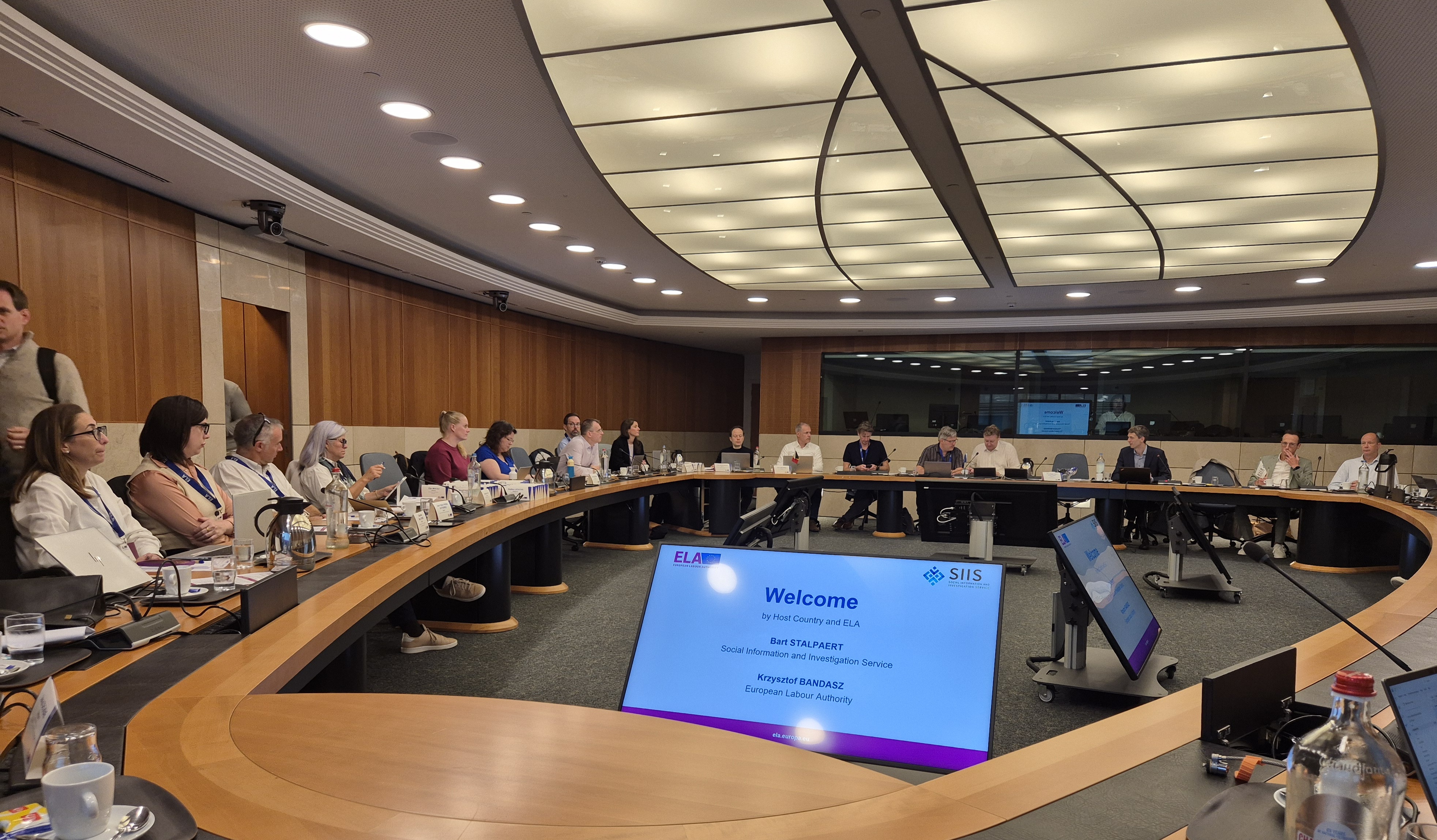
RCC ESAP 3: Opening session of the study visit to Belgium on tackling undeclared work, Brussels, 13 October 2026 (Photo: RCC ESAP 3)
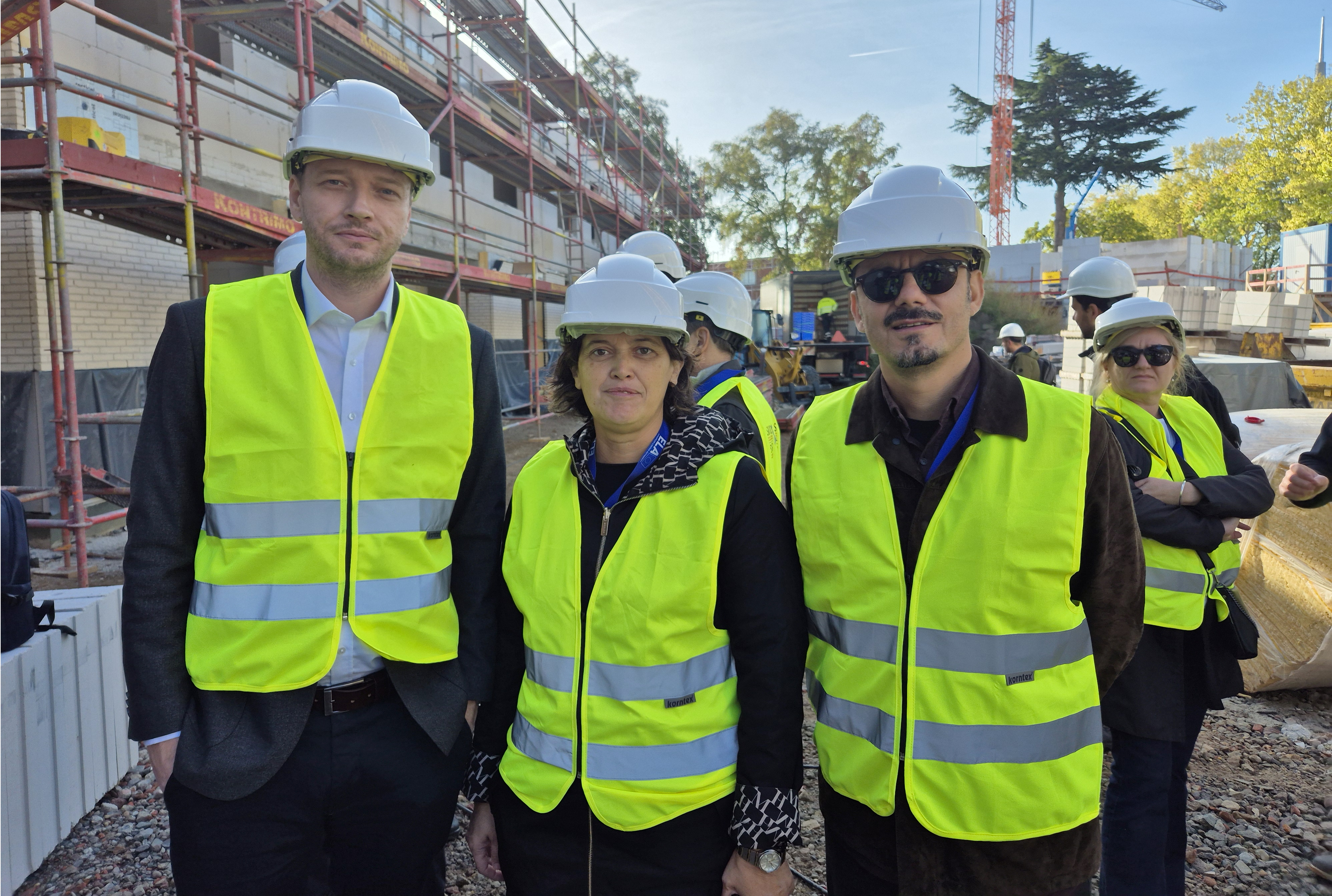
RCC ESAP 3: On-site visit to construction site during study visit to Belgium, Mechelen, 14 October 2026 (Photo: RCC ESAP 3)
Representatives of enforcement authorities from Albania and Montenegro participated in study visit to Belgium dedicated to strengthening cooperation in the area of tackling undeclared work through gaining practical knowledge
The Regional Cooperation Council’s (RCC) Employment and Social Affairs Platform 3 (ESAP 3) project supported participation of representatives of Western Balkans Six (WB6) enforcement authorities in study visit “Risk-based targeting, data-driven enforcement, digital tools and collaboration with social partners in tackling undeclared work”, held on 13-14 October 2026, Brussels, Belgium. The event was co-organised by the Social Information and Investigation Service of Belgum (SIIS) and the European Labour Authority (ELA).
The two-day study visit focused on Belgian practices in tackling undeclared work, including dreal-time digital reporting, cross-institutional data sharing, advanced risk-based targeting, and solid partnerships with social partners. The event brought together representatives of relevant enforcement authorities, ministries and social partners from the EU and the WB6.
Mr Bart Stalpaert, Director-General at SIIS, opened the event by welcoming participants and expressing gratitude for the opportunity to share Belgian practices in tackling undeclared work. He highlighted importance of inter-institutional cooperation and the value of joint activities with other EU counterparts.
Mr Krzysztof Bandasz, Head of Sector for Tackling Undeclared Work at ELA, addressed the participants, emphasizing the significance of sharing practices and experiences among enforcement authorities and social partners, and thanking the hosts for facilitating this peer-learning activity.
The first day of the visit was focused on host in-class presentations and discussions covering the following topics: Belgium’s integrated approach to tackling undeclared work including governance, enforcement and prevention; integrated digital ecosystem for tackling undeclared work; cooperation with social partners in support of fair competition and compliance; risk-based targeting and data-driven enforcement; and cooperation between labour inspection, social security, tax, police and judicial authorities in tackling undeclared work. Each session combined the host’s presentations followed by round-table discussions on specific aspects of implementation.
The second day featured a practical demonstration of an inspection visit to construction site carried out by Belgian labour inspectors in cooperation with other relevant authorities. The participants accompanied the inspectors during the on-site inspection of two construction sites in Mechelen and Leuven. The inspections focused on a high-risk sector, examining the declaration and verification of workers, inter-agency cooperation, and the detection of undeclared or under-declared work. Final session of the study visit was aimed at lessons learned, transferability and practical implications.
The study visit provided WB6 representatives with a peer-learning opportunity from practices of Belgian enforcement authorities, including familiarizing with approaches and activities related to tackling undeclared work. These practices offered prospect of adapting host (Belgium) experiences into the systems in WB6, by covering wide range of topics within area of tackling undeclared work.
Through ESAP 3, the RCC continues supporting WB6 enforcement authorities in tackling undeclared work through facilitating the increasing involvement of the WB6 practitioners in the activities of the European Platform Tackling Undeclared Work and cooperation with ELA.